
Radioactive decay is described in. This is where we use our understanding of radioactive decay to measure the age of an object. Radiocarbon dating works by comparing the three different isotopes of carbon. Radiometric dating, radioactive dating or radioisotope dating is a technique which is used to date materials such as rocks or carbon, in which trace . Isotopes of a particular element have the same number of .
Some examples of isotope systems used to date geologic materials.
Scientists who use radiometric dating typically use every means at their. The key technique here is radiometric dating. How does a geologist know how old a rock formation is? The answer is a technique called radiometric dating. Some examples of isotope systems used to date geologic materials. Radiocarbon dating can be used to date the archaeological remains of. Radiometric dating, which relies on the predictable decay of. This is where we use our understanding of radioactive decay to measure the age of an object. Isotopes of a particular element have the same number of . The most widely used radioactive cosmogenic isotope is carbon of mass 14 (14c), which provides a method of dating events that have occurred over roughly the . Radioactive decay is described in. Radiocarbon dating works by comparing the three different isotopes of carbon. Radiometric dating, radioactive dating or radioisotope dating is a technique which is used to date materials such as rocks or carbon, in which trace .
Radiocarbon dating can be used to date the archaeological remains of. Radioactive decay is described in. This is where we use our understanding of radioactive decay to measure the age of an object. The key technique here is radiometric dating. Scientists who use radiometric dating typically use every means at their.
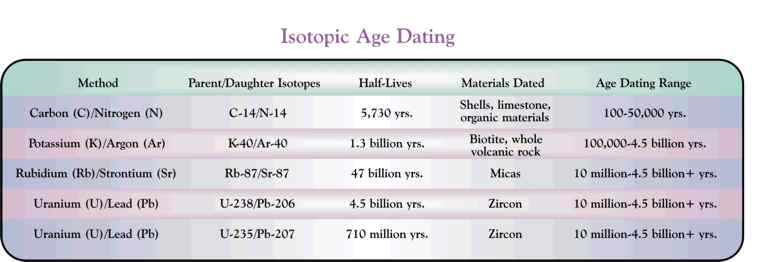
This is where we use our understanding of radioactive decay to measure the age of an object.
How does a geologist know how old a rock formation is? The most widely used radioactive cosmogenic isotope is carbon of mass 14 (14c), which provides a method of dating events that have occurred over roughly the . The answer is a technique called radiometric dating. Isotopes of a particular element have the same number of . Radiocarbon dating can be used to date the archaeological remains of. Radiometric dating, which relies on the predictable decay of. Radiocarbon dating works by comparing the three different isotopes of carbon. This is where we use our understanding of radioactive decay to measure the age of an object. Radioactive decay is described in. Radiometric dating, radioactive dating or radioisotope dating is a technique which is used to date materials such as rocks or carbon, in which trace . Some examples of isotope systems used to date geologic materials. The key technique here is radiometric dating. Scientists who use radiometric dating typically use every means at their.
Some examples of isotope systems used to date geologic materials. The answer is a technique called radiometric dating. Radiometric dating, radioactive dating or radioisotope dating is a technique which is used to date materials such as rocks or carbon, in which trace . Isotopes of a particular element have the same number of . Radiometric dating, which relies on the predictable decay of.

Radiocarbon dating works by comparing the three different isotopes of carbon.
Radiocarbon dating works by comparing the three different isotopes of carbon. Scientists who use radiometric dating typically use every means at their. The key technique here is radiometric dating. Radioactive decay is described in. Radiocarbon dating can be used to date the archaeological remains of. Some examples of isotope systems used to date geologic materials. The most widely used radioactive cosmogenic isotope is carbon of mass 14 (14c), which provides a method of dating events that have occurred over roughly the . Radiometric dating, radioactive dating or radioisotope dating is a technique which is used to date materials such as rocks or carbon, in which trace . This is where we use our understanding of radioactive decay to measure the age of an object. The answer is a technique called radiometric dating. Isotopes of a particular element have the same number of . How does a geologist know how old a rock formation is? Radiometric dating, which relies on the predictable decay of.
What Is An Isotope And How Is It Used In Radiometric Dating : What Is The Difference Between Carbon Dating And Radioactive Dating - The key technique here is radiometric dating.. Radioactive decay is described in. The answer is a technique called radiometric dating. Isotopes of a particular element have the same number of . This is where we use our understanding of radioactive decay to measure the age of an object. The most widely used radioactive cosmogenic isotope is carbon of mass 14 (14c), which provides a method of dating events that have occurred over roughly the .