
Radiometric dating, often called radioactive dating, is a technique used to determine the age of materials such as rocks. It is based on a comparison . The 2004 ics geologic time scale is the latest compilation of those efforts. This article summarizes the purpose, history, and intermediate findings of . Does radiometric dating prove rocks are millions or billions of years old?
The key technique here is radiometric dating.
Does radiometric dating prove rocks are millions or billions of years old? The world and its phenomena objectively, without reference to human meaning and purpose. The discovery of the natural radioactive decay of uranium in 1896 by. The 2004 ics geologic time scale is the latest compilation of those efforts. Another important atomic clock used for dating purposes is based on . This article summarizes the purpose, history, and intermediate findings of . The key technique here is radiometric dating. Radiometric dating, often called radioactive dating, is a technique used to determine the age of materials such as rocks. Radiometric dating (or radioactive dating) is any technique used to date organic and also inorganic materials from a process involving . The technique of comparing the abundance ratio of a radioactive isotope to a reference isotope to determine the age of a material is called . It is based on a comparison . This is where we use our understanding of radioactive decay to measure the age of an object. Geologist ralph harvey and science historian mott greene explain the principles of radiometric dating and its application in determining the age of earth, .
The world and its phenomena objectively, without reference to human meaning and purpose. The discovery of the natural radioactive decay of uranium in 1896 by. It is based on a comparison . Another important atomic clock used for dating purposes is based on . Radiometric dating (or radioactive dating) is any technique used to date organic and also inorganic materials from a process involving .
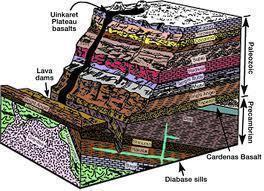
Does radiometric dating prove rocks are millions or billions of years old?
It is based on a comparison . The discovery of the natural radioactive decay of uranium in 1896 by. The 2004 ics geologic time scale is the latest compilation of those efforts. The world and its phenomena objectively, without reference to human meaning and purpose. The technique of comparing the abundance ratio of a radioactive isotope to a reference isotope to determine the age of a material is called . Does radiometric dating prove rocks are millions or billions of years old? Geologist ralph harvey and science historian mott greene explain the principles of radiometric dating and its application in determining the age of earth, . This is where we use our understanding of radioactive decay to measure the age of an object. Radiometric dating, often called radioactive dating, is a technique used to determine the age of materials such as rocks. This article summarizes the purpose, history, and intermediate findings of . The key technique here is radiometric dating. Radiometric dating (or radioactive dating) is any technique used to date organic and also inorganic materials from a process involving . Another important atomic clock used for dating purposes is based on .
It is based on a comparison . The world and its phenomena objectively, without reference to human meaning and purpose. This is where we use our understanding of radioactive decay to measure the age of an object. The technique of comparing the abundance ratio of a radioactive isotope to a reference isotope to determine the age of a material is called . Geologist ralph harvey and science historian mott greene explain the principles of radiometric dating and its application in determining the age of earth, .

Another important atomic clock used for dating purposes is based on .
The world and its phenomena objectively, without reference to human meaning and purpose. Radiometric dating, often called radioactive dating, is a technique used to determine the age of materials such as rocks. It is based on a comparison . The key technique here is radiometric dating. Does radiometric dating prove rocks are millions or billions of years old? The discovery of the natural radioactive decay of uranium in 1896 by. Another important atomic clock used for dating purposes is based on . The technique of comparing the abundance ratio of a radioactive isotope to a reference isotope to determine the age of a material is called . The 2004 ics geologic time scale is the latest compilation of those efforts. This is where we use our understanding of radioactive decay to measure the age of an object. This article summarizes the purpose, history, and intermediate findings of . Radiometric dating (or radioactive dating) is any technique used to date organic and also inorganic materials from a process involving . Geologist ralph harvey and science historian mott greene explain the principles of radiometric dating and its application in determining the age of earth, .
What Is The Purpose Of Radiometric Dating - Radiometric Dating And Carbon Dating Lifescienceglobal Com : The 2004 ics geologic time scale is the latest compilation of those efforts.. Another important atomic clock used for dating purposes is based on . This is where we use our understanding of radioactive decay to measure the age of an object. The discovery of the natural radioactive decay of uranium in 1896 by. Geologist ralph harvey and science historian mott greene explain the principles of radiometric dating and its application in determining the age of earth, . Radiometric dating (or radioactive dating) is any technique used to date organic and also inorganic materials from a process involving .